July 7, 2026
Walking from one room to another should not feel like stepping into a different climate. If your upstairs bedrooms stay uncomfortably warm while the main floor remains chilly, or if certain rooms never seem to reach the temperature set on your thermostat, you're dealing with uneven temperatures throughout your home. These inconsistencies are frustrating, reduce comfort, and often signal underlying HVAC issues that shouldn't be ignored. Many homeowners turn to local HVAC companies when temperature imbalances become persistent because identifying the root cause requires a thorough understanding of how heating and cooling systems work together.
Airflow Problems That Disrupt Comfort
One of the most common reasons for uneven temperatures is restricted airflow. Your HVAC system depends on a balanced flow of conditioned air reaching every room through supply ducts while return vents pull air back to the system. When this balance is interrupted, some rooms receive plenty of heated or cooled air while others receive very little.
Dirty air filters are often the simplest culprit. As filters become clogged with dust, pet hair, and other debris, they reduce the amount of air moving through the system. The result is reduced efficiency and inconsistent temperatures throughout the house. Replacing filters regularly helps maintain proper airflow and prevents unnecessary strain on your equipment.
Closed or blocked vents can create similar problems. Homeowners sometimes close vents in unused rooms, believing it will save energy, but this often disrupts the designed airflow balance. Furniture, curtains, and rugs can also block supply or return vents, making it difficult for conditioned air to circulate effectively.
Leaky or damaged ductwork presents another significant issue. Air escaping through holes, disconnected sections, or poorly sealed joints never reaches the intended rooms. As a result, spaces farther from the HVAC unit often receive less conditioned air than areas located nearby. Experienced technicians from local HVAC companies can inspect ductwork and recommend sealing or repairs that restore balanced airflow.
Improperly sized ductwork may also contribute to temperature inconsistencies. If ducts are too small, airflow becomes restricted, while oversized ducts may reduce air velocity enough to affect performance. Homes that have undergone additions or remodeling without updating the HVAC distribution system are especially susceptible to these problems.
Equipment Issues That Reduce Efficiency
Sometimes uneven temperatures stem from problems within the HVAC equipment itself rather than the duct system. As heating and cooling components age, they gradually lose efficiency and may struggle to distribute conditioned air evenly throughout the home.
An aging air conditioner or furnace may no longer have the capacity to keep up with your home's heating or cooling demands. According to the U.S. Department of Energy, newer air conditioning systems can achieve Seasonal Energy Efficiency Ratio (SEER) ratings of up to 26, demonstrating how much more efficient modern systems have become compared to older equipment. Upgrading outdated equipment may improve both comfort and energy savings.
Incorrect equipment sizing is another frequent issue. An oversized air conditioner cools the home too quickly before properly removing humidity, while an undersized system runs continuously without maintaining comfortable temperatures. Either situation can create noticeable hot and cold spots throughout the house. Professionals from local HVAC companies perform detailed load calculations to determine whether your equipment matches your home's requirements.
Failing blower motors, malfunctioning dampers, or dirty evaporator coils can also interfere with consistent airflow. Even relatively minor mechanical issues can significantly impact how effectively conditioned air reaches each room. Regular maintenance helps identify these concerns before they become major repairs.
Thermostat placement deserves consideration as well. If your thermostat sits near a sunny window, kitchen, or drafty exterior door, it may receive inaccurate temperature readings. The HVAC system responds based on the thermostat's location rather than the average temperature throughout the home, leading to uneven comfort levels.
Structural Factors That Influence Temperature
Not every uneven temperature problem originates within the HVAC system itself. Your home's construction, insulation, and layout play major roles in determining how effectively conditioned air remains inside each room. Local HVAC companies may analyze your room's layout to explain why temperature is inconsistent.
Insufficient attic insulation allows heat to enter during summer and escape during winter. Because warm air naturally rises, upstairs rooms often become much hotter if the attic lacks adequate insulation. Improving insulation helps stabilize indoor temperatures while reducing the workload placed on your HVAC equipment.
Air leaks around windows, doors, electrical penetrations, and attic access points also create comfort problems. Outdoor air continually enters while conditioned indoor air escapes, making certain rooms more difficult to heat or cool. Sealing these gaps improves efficiency and helps maintain consistent temperatures throughout the home.
Sun exposure creates another common challenge. South- and west-facing rooms typically receive more direct sunlight during the day, causing temperatures to climb significantly above those in shaded areas. Window treatments, solar films, or improved insulation can help minimize these temperature differences.
Multi-story homes naturally experience temperature stratification because warm air rises. Even with a properly functioning HVAC system, upper floors often remain warmer during summer and cooler during winter. Ceiling fans, zoning systems, and balanced airflow adjustments can help compensate for these natural tendencies. Many homeowners rely on local HVAC companies to evaluate whether zoning or airflow modifications would improve comfort in multi-level homes.
Recent renovations may unintentionally create new temperature imbalances. Finished basements, room additions, or converted garages frequently increase heating and cooling demands beyond what the original HVAC system was designed to handle. Without corresponding updates to the equipment or ductwork, some rooms may never receive sufficient conditioned air.
Preventive Solutions That Restore Balance
Fortunately, uneven temperatures are often correctable once the underlying causes have been identified. A systematic approach allows homeowners to improve comfort while increasing overall HVAC efficiency.
Routine maintenance from local HVAC companies remains one of the most effective preventive measures. Annual inspections allow technicians to clean essential components, verify proper airflow, check refrigerant levels, inspect electrical connections, and identify developing problems before they affect comfort. Preventive service also helps extend the lifespan of heating and cooling equipment.
Changing air filters consistently supports healthy airflow throughout the system. Depending on household conditions, filters may need replacement every one to three months. Homes with pets, allergies, or higher dust levels often require more frequent filter changes to maintain optimal performance.
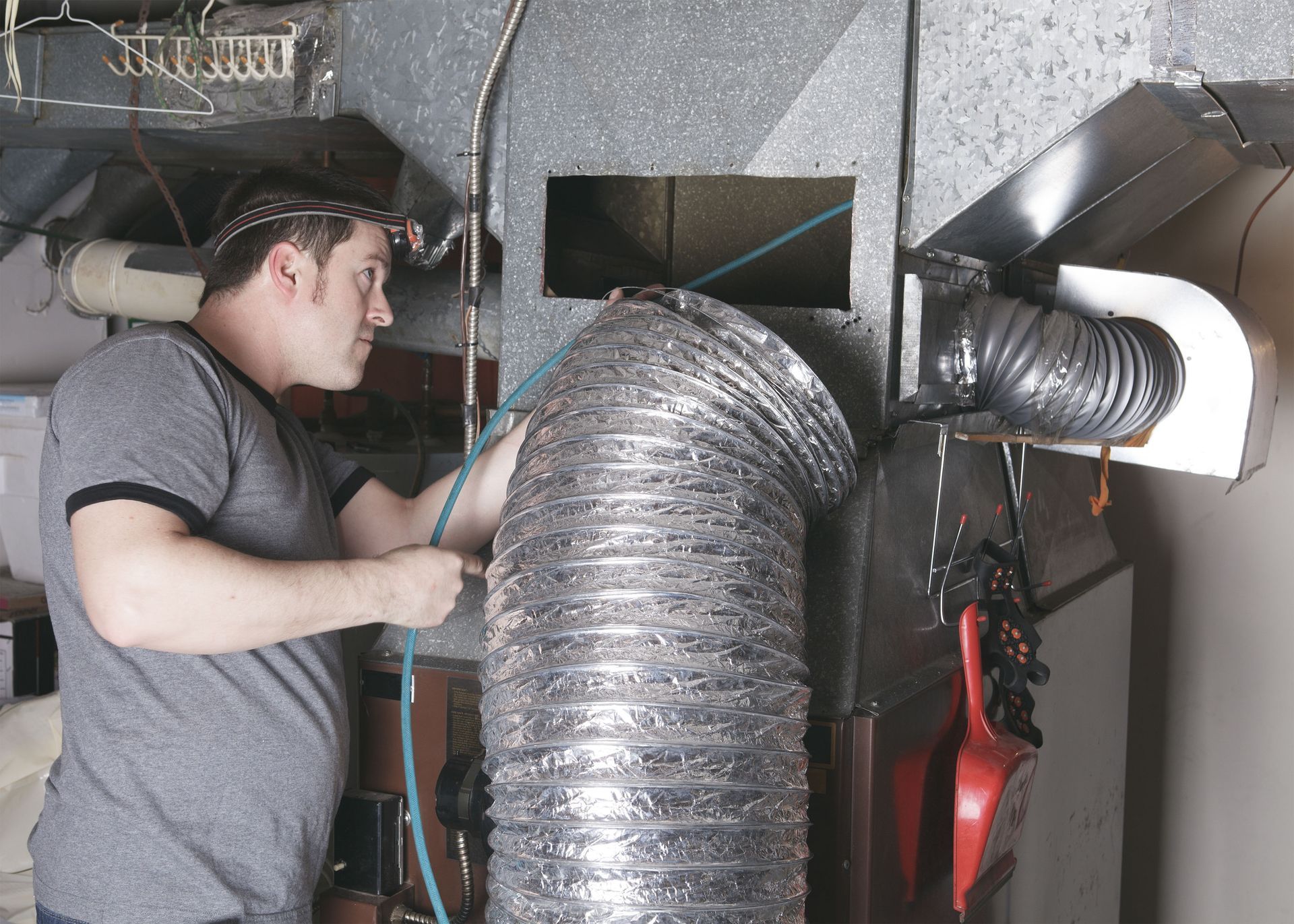
Duct inspections provide valuable insight into hidden airflow problems. Sealing leaks, correcting disconnected sections, and improving insulation around ductwork reduce conditioned air loss while promoting more even temperatures. Local HVAC companies often use specialized testing equipment to identify duct leaks that aren't visible during a basic inspection.
Installing a zoning system may provide an excellent long-term solution for larger or multi-story homes. Zoning divides the home into separate temperature-controlled areas using automatic dampers and multiple thermostats. This allows different parts of the house to receive customized heating or cooling based on occupancy and comfort preferences.
Homeowners should also evaluate insulation levels and air sealing throughout the property. Improving the building envelope helps the HVAC system perform more efficiently while reducing temperature swings caused by outdoor weather conditions. Combining insulation improvements with professional HVAC maintenance often delivers the most noticeable comfort gains.
Smart thermostats can further improve temperature consistency by learning occupancy patterns, adjusting schedules automatically, and providing better control over heating and cooling cycles. Some advanced models even integrate with zoning systems for enhanced room-by-room comfort. While technology cannot solve every issue, it can complement a well-maintained HVAC system and contribute to more balanced indoor temperatures.
Uneven temperatures rarely have a single cause. Airflow restrictions, aging equipment, insulation deficiencies, structural characteristics, and thermostat placement can all contribute to uncomfortable hot and cold spots throughout your home. Addressing these issues promptly not only improves daily comfort but also enhances energy efficiency and reduces unnecessary wear on your HVAC system. Working with
local HVAC companies allows homeowners to identify the specific causes affecting their homes and implement lasting solutions that restore balanced comfort in every room.
At O. M. N. I. HVAC, we take pride in helping homeowners solve frustrating temperature imbalances with professional inspections and customized solutions. We carefully evaluate your entire heating and cooling system to identify the root cause instead of simply treating the symptoms. Contact us today, and we'll help you create a more comfortable, energy-efficient home throughout every season.