September 1, 2026
Heating, Ventilation, and Air Conditioning (HVAC) systems are integral to maintaining year-round indoor climate control, structural safety, and overall energy efficiency in modern residential properties. Investing in a qualified local HVAC service is a strategic home management decision that, while requiring a modest upfront operational expenditure, offers considerable long-term financial benefits. Understanding the true economic value of professional preventative care is crucial because timely technical interventions prevent expensive emergency repairs, extend total mechanical lifespan, and optimize monthly utility consumption. With an estimated 90% of U.S. homes equipped with air conditioning, according to Cleango, the cultural and economic significance of maintaining these complex mechanical systems cannot be overstated. By examining key operational factors such as routine maintenance, localized climate expertise, and prompt diagnostic responses, it becomes clear that prioritizing professional technical care is a financially prudent strategy for every property owner.
Understanding the Essentials of Residential HVAC Systems
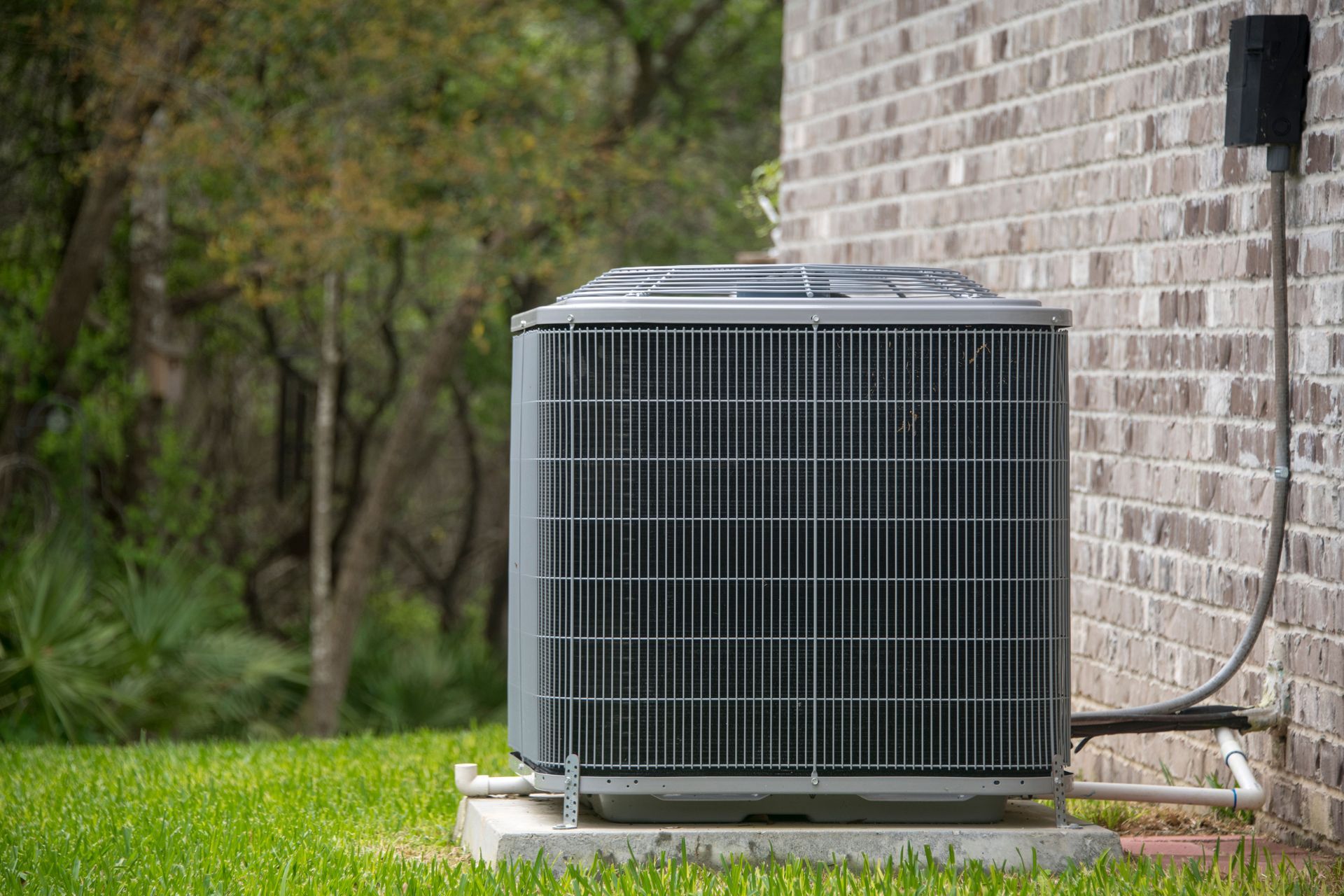
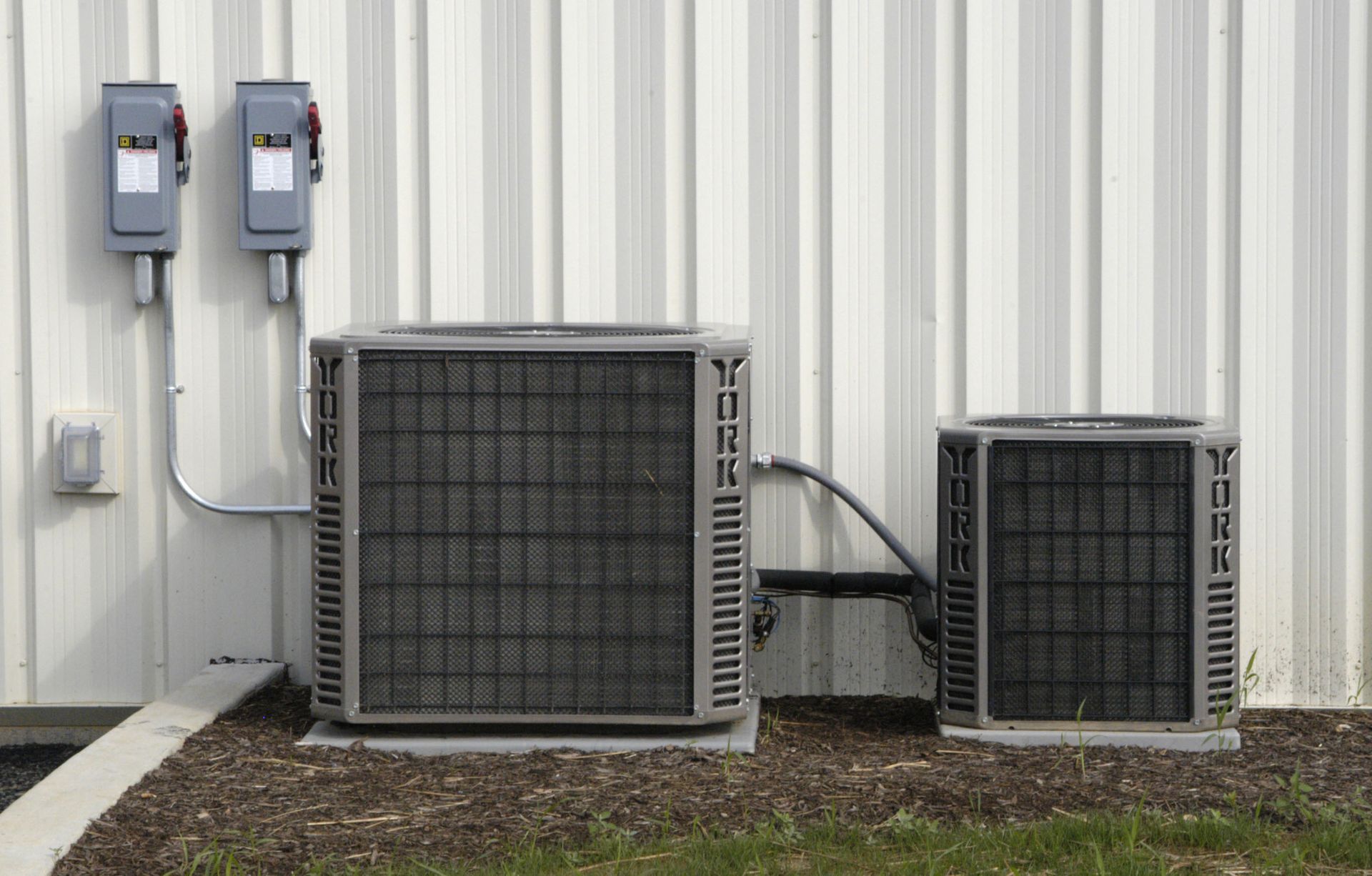
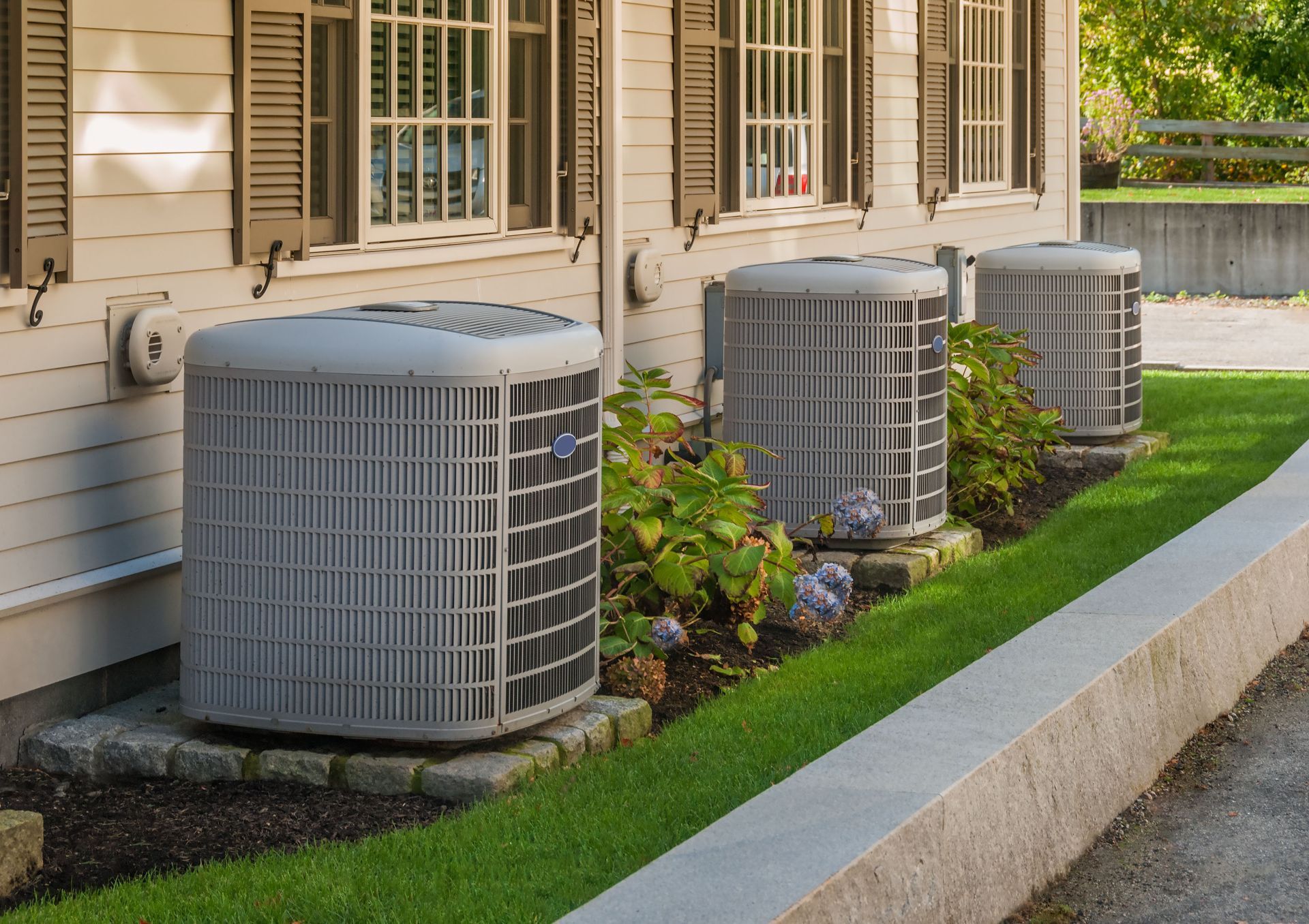
Residential HVAC systems create healthy, controlled living environments by regulating indoor temperatures, managing relative humidity levels, and continually filtering airborne particulates. These heavy-duty climate systems rely on an intricate network of interconnected electro-mechanical components working in exact technical harmony. The primary components include the central furnace, air conditioner compressor, outdoor heat pump, indoor evaporator coils, air distribution ductwork, and digital programmable thermostat. Given the extreme complexity and structural interdependence of these internal parts, periodic technical maintenance is vital to ensure peak design efficiency. Without regular professional care, minor component fatigue can quickly cascade into catastrophic mechanical failure.
Common issues faced by residential heating and cooling systems include clogged air filters, restricted airflow, dangerous refrigerant leaks, miscalibrated sensor controls, and severely compromised electrical connections. These hidden physical issues force the system to run prolonged operational cycles to reach the thermostat's set temperature, drastically increasing wear on critical internal parts and driving up monthly utility expenses. Partnering with a reliable local HVAC service allows homeowners to identify and resolve minor performance drops long before they evolve into major mechanical breakdowns, securing both day-to-day operational reliability and long-term financial savings.
The Financial Impact of System Failures
Unexpected mechanical breakdowns introduce substantial financial burdens, most of which stem directly from neglected preventative maintenance or delayed professional repairs. The cumulative costs associated with high-priced emergency service calls, major component replacements, and sudden spikes in electrical consumption add up rapidly. For many property owners, the unexpected expense of an emergency compressor replacement or full heat exchanger installation far exceeds the predictable cost of routine maintenance visits. Furthermore, sudden system failures during peak summer heat waves or severe winter freezes cause significant household discomfort, structural freezing risks, and potential family health hazards.
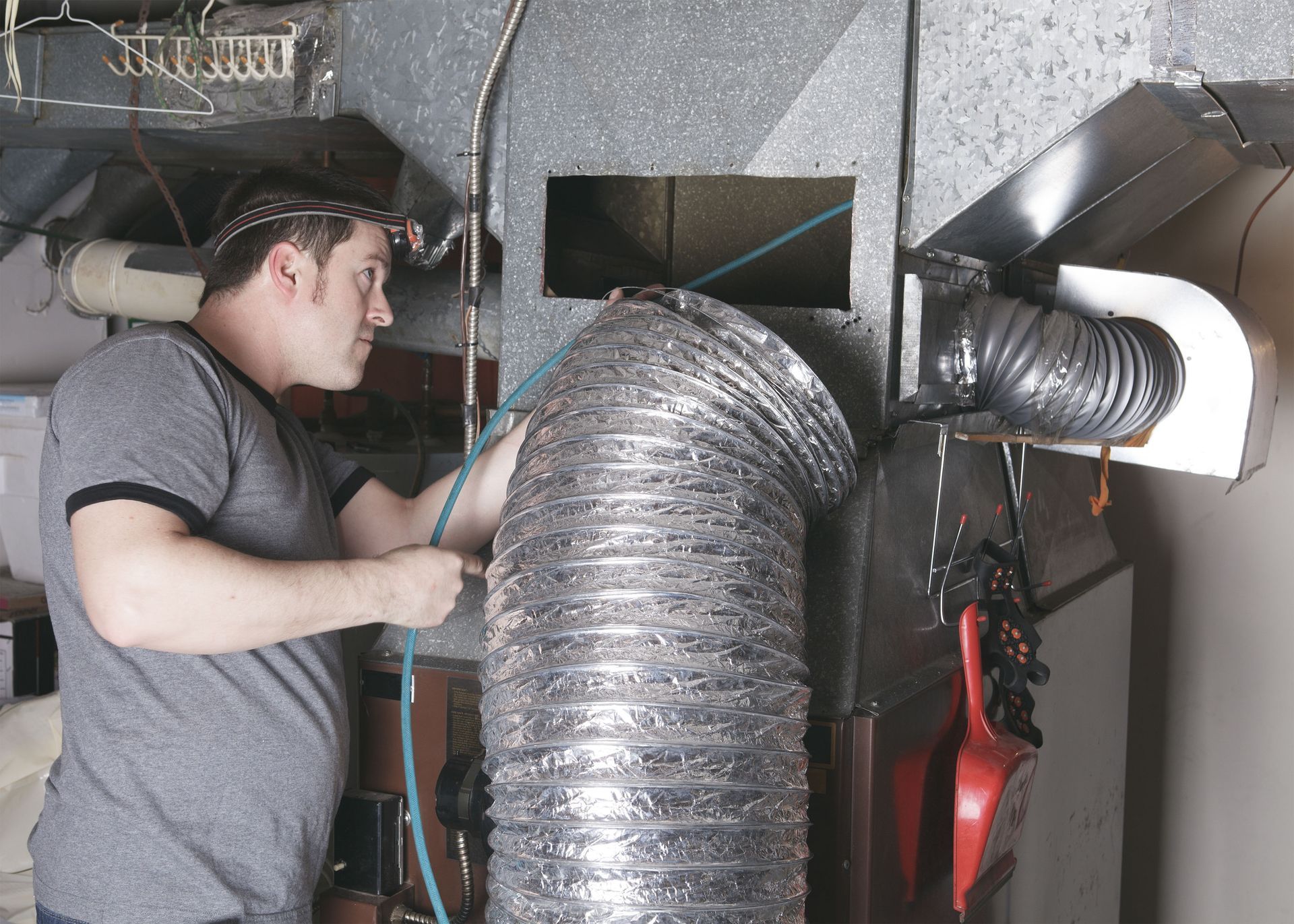
A trusted local HVAC service effectively mitigates these financial risks through structured, comprehensive diagnostic checks. Identifying failing capacitor batteries, worn fan belts, loose electrical wiring, or minor refrigerant leaks early enables field technicians to execute minor adjustments affordably. Moreover, consistent maintenance extends the total functional lifespan of the entire mechanical footprint, allowing homeowners to defer expensive capital replacements and maximize the return on their initial equipment investment.
The Distinct Advantages of Localized Service Providers
Geographic proximity allows a local HVAC service to offer rapid response times during operational emergencies. When a central air conditioner fails during peak summer heat, swift technical intervention minimizes household downtime and prevents secondary structural damage, such as frozen evaporator coils or interior moisture buildup that leads to mold growth. Local service providers also maintain strong ongoing relationships with regional supply houses, ensuring fast access to specialized replacement parts without the shipping delays or heavy freight markups associated with distant service networks.
Additionally, certified field technicians from a regional local HVAC service possess deep specialized knowledge regarding local climate demands, seasonal humidity patterns, and regional building code requirements. This localized expertise enables them to calibrate equipment specifically for the environmental stressors of your immediate geographic area. Local contractors also provide personalized, attentive customer care, offering tailored maintenance schedules, customized indoor air quality assessments, and honest technical advice that aligns directly with your household budget and long-term energy management goals.
Furthermore, hiring a local HVAC service keeps capital within your immediate community, supporting skilled trade jobs, contributing to regional tax bases, and strengthening the local economy. Regional contractors frequently offer valuable client incentives, including seasonal promotional discounts, priority emergency scheduling, and bundled preventative maintenance packages that further reduce the long-term cost of property ownership.
Maximizing Energy Efficiency and Cost-Effectiveness
Routine preventative maintenance directly influences seasonal energy efficiency by keeping complex mechanical components operating at peak design standards. Clean condenser coils, properly charged refrigerant lines, clear condensate drains, and unblocked ductwork allow central air handlers to move conditioned air with minimal electrical resistance. When a system operates efficiently, it draws significantly less electrical power from the grid, resulting in immediate, measurable, and consistent reductions in monthly utility bills.
Over time, the cumulative financial savings generated by lower monthly energy bills effectively offset the annual cost of professional maintenance programs. Regular technical tune-ups also ensure that your equipment maintains its factory seasonal energy efficiency ratio (SEER) throughout its operational lifecycle. By investing in a routine local HVAC service, homeowners protect their household budgets against fluctuating energy costs while enjoying a consistently comfortable indoor environment across all seasons.
Strategic Long-Term Asset Preservation
Viewing your heating and cooling equipment as a long-term capital asset underscores the economic value of preventative care. Neglected systems suffer from compound mechanical stress, leading to premature failure of major high-cost components like furnace heat exchangers or scroll compressors. Replacing these core elements prematurely represents a major financial setback that easily could have been prevented through structured annual tune-ups.
Structured preventative care preserves vital manufacturer warranty coverage, as many equipment manufacturers require documented evidence of annual professional maintenance to honor multi-year part replacement warranties. Partnering with an experienced local HVAC service ensures your maintenance documentation remains complete, protecting you from unexpected out-of-pocket expenses if a covered part fails unexpectedly. Ultimately, disciplined preventative maintenance transforms your mechanical systems into reliable, long-lasting assets that enhance total property value and market appeal.
Investing in professional, certified heating and cooling care provides an unbeatable combination of direct financial savings, consistent operational reliability, and total peace of mind for property owners. By prioritizing proactive preventative maintenance, homeowners successfully avoid high-priced emergency repairs, optimize seasonal energy efficiency, and significantly extend the functional lifespan of their major mechanical investments. Partnering with regional specialists guarantees rapid response times during sudden weather spikes, personalized customer support, and tailored technical solutions designed to withstand localized weather extremes.
Taking a disciplined approach to your home’s climate infrastructure transforms routine upkeep from an unexpected expense into a high-yield investment. Rather than reacting to catastrophic system breakdowns during peak summer heat or freezing winter nights, regular professional servicing ensures every internal component operates at peak factory specifications. This consistent efficiency not only stabilizes indoor temperatures and improves overall air quality, but it also shields your household budget from the hidden costs of system neglect, such as inflated utility bills and premature capital replacements.
Establishing a long-term relationship with a trusted local service provider ensures your system receives attentive, individualized care backed by deep regional expertise. From preserving active manufacturer warranties to maintaining optimal airflow across every season, dedicated technicians work to keep your equipment running quietly, safely, and efficiently year after year. When you are ready to lower your monthly utility expenses, protect your mechanical equipment, and ensure year-round indoor comfort, trust the experienced team at O. M. N. I. HVAC to deliver reliable, top-tier service tailored to your home.