August 6, 2026
Understanding heating and cooling systems is crucial for ensuring year-round comfort and optimal energy efficiency in our homes. Despite how deeply we rely on these systems, many homeowners operate under lingering misinformation about how they actually function. These pervasive myths often lead to suboptimal performance, wasted energy, and increased utility costs. It is essential to thoroughly debunk these misconceptions to make informed choices about your home's climate control. This comprehensive guide addresses six common HVAC myths, providing clarity for homeowners looking to protect both their comfort and budgets.
Myth 1: Bigger Systems Provide Better Performance
Understanding System Sizing
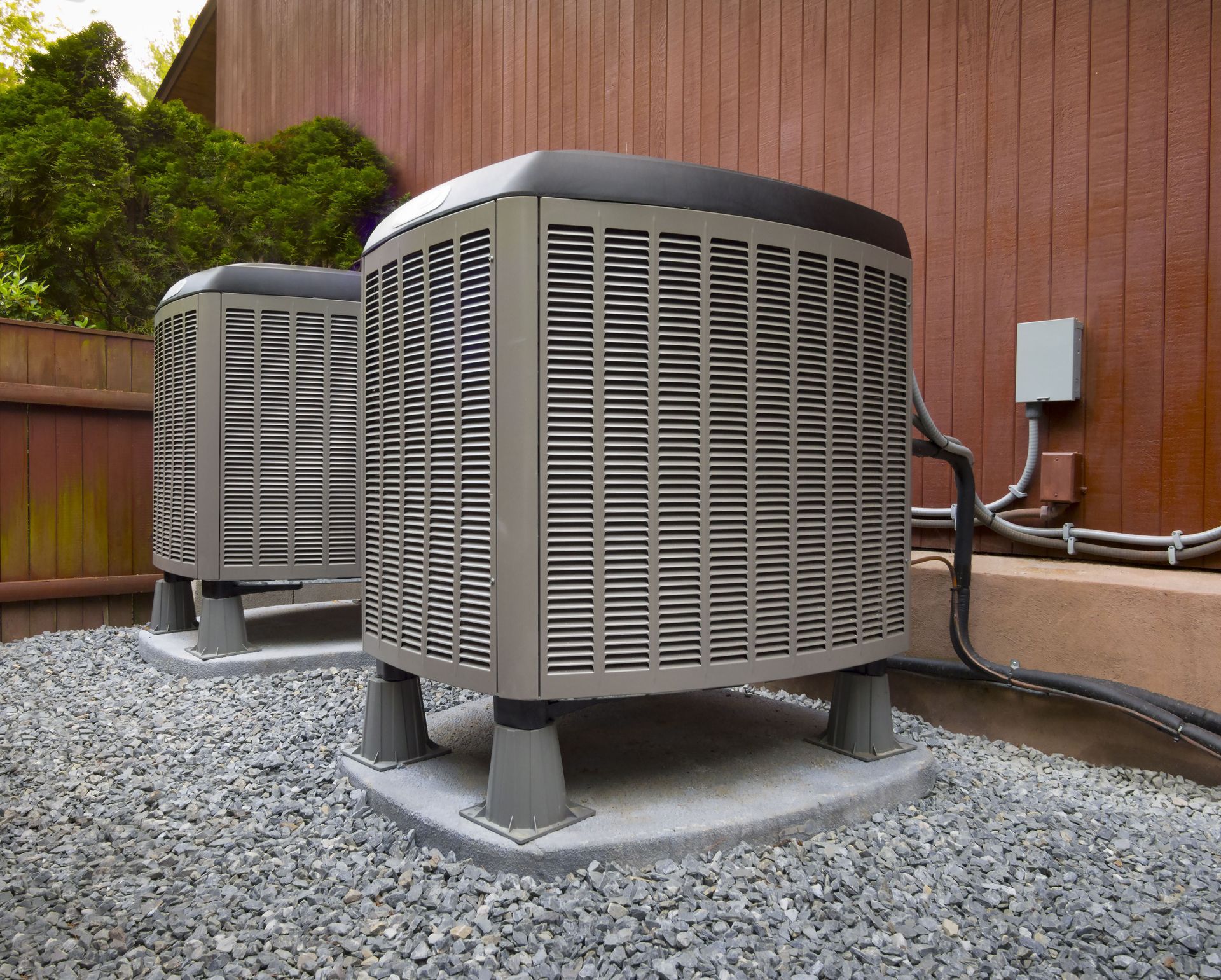
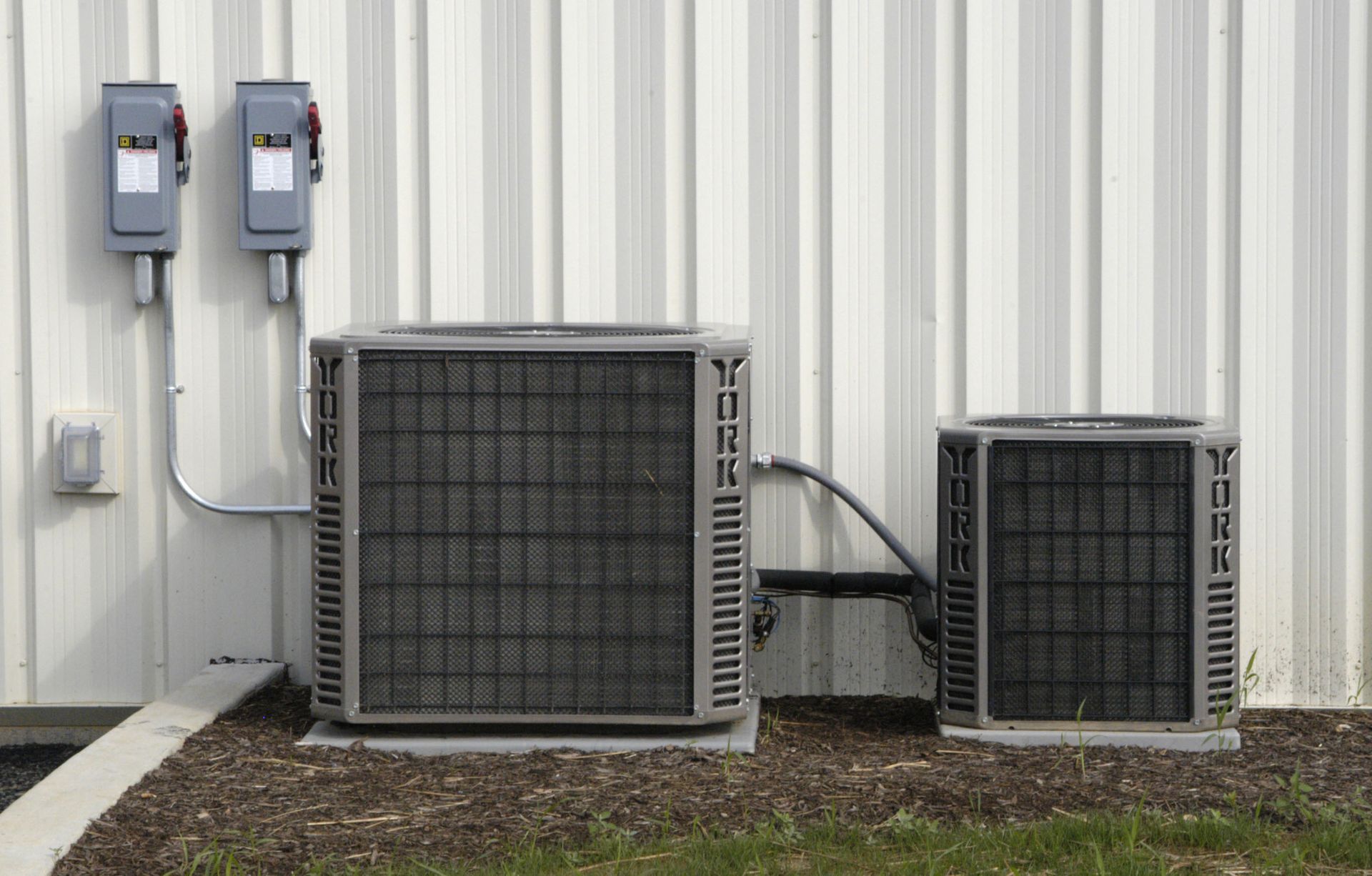
One pervasive myth is that a bigger heating or cooling system always provides better performance. However, equipment size must precisely match the dimensions and insulation of the space it serves. An oversized system will cycle on and off too frequently—a phenomenon known as short cycling. This leads to poor temperature regulation and significantly reduces the equipment's lifespan.
The Importance of Efficiency and Drawbacks
True efficiency does not depend on physical size alone. A well-sized system running continuous, steady cycles maintains a consistent indoor climate while saving energy. Oversized units also struggle with dehumidification. Because they cool the air too quickly and shut off, they don't run long enough to pull moisture out of the air, leaving spaces feeling clammy.
Energy Consumption and Assessment
Larger systems inevitably result in increased energy consumption and higher monthly bills. According to the US Department of Energy, air conditioners use about 12% of the electricity in U.S. households. When systems are oversized, their inability to run efficient cycles causes massive energy waste. To avoid this mistake, consulting a professional HVAC company is indispensable. Experts use precise heat load calculations to determine the perfect capacity for your home rather than relying on guesswork.
Myth 2: Closing Vents in Unused Rooms Saves Energy
System Design Basics and Pressure Imbalances
Many homeowners believe closing vents in unused rooms redirects airflow and saves money, but this is a critical misconception. Modern HVAC systems are engineered to operate with balanced airflow across all designed pathways. Blocking vents disrupts this equilibrium and creates an immediate pressure imbalance within the ductwork. As the blower fan tries to push a fixed volume of air through fewer openings, static pressure builds up, causing leaks in duct seams to expand.
Potential Damage and Real Strategies
Over time, this restricted airflow can lead to severe mechanical damage, such as a cracked heat exchanger or frozen cooling coils. Instead of saving money, restricting airflow forces your system to run longer, harder cycles to meet the thermostat's demands, increasing your energy consumption. If you want real savings without risking system failure, look into alternative strategies. Installing a programmable thermostat allows you to safely adjust temperatures based on your daily schedule. You can also have a licensed HVAC company evaluate your home for a dedicated zoning system to safely manage multi-zone airflow.
Myth 3: Maintenance is Only Necessary When Issues Arise
The Cost of Reactive Maintenance
Waiting until your system breaks down before calling an HVAC company is a highly expensive approach to home maintenance. Reactive maintenance frequently results in emergency service fees, long wait times during peak seasons, and costly component replacements. Small, undetected issues—like a worn capacitor or a fraying belt—quickly escalate into catastrophic system failures if ignored.
Routine Maintenance and Filters
Annual preventative maintenance enhances both the performance and longevity of your equipment. Routine tune-ups ensure that all moving parts are lubricated and system components are completely clean. Keeping your air filters clean is the easiest yet most vital maintenance task a homeowner can perform. Clogged filters restrict airflow, forcing the system to work twice as hard while dragging down indoor air quality.
Ducts and Professional Inspections
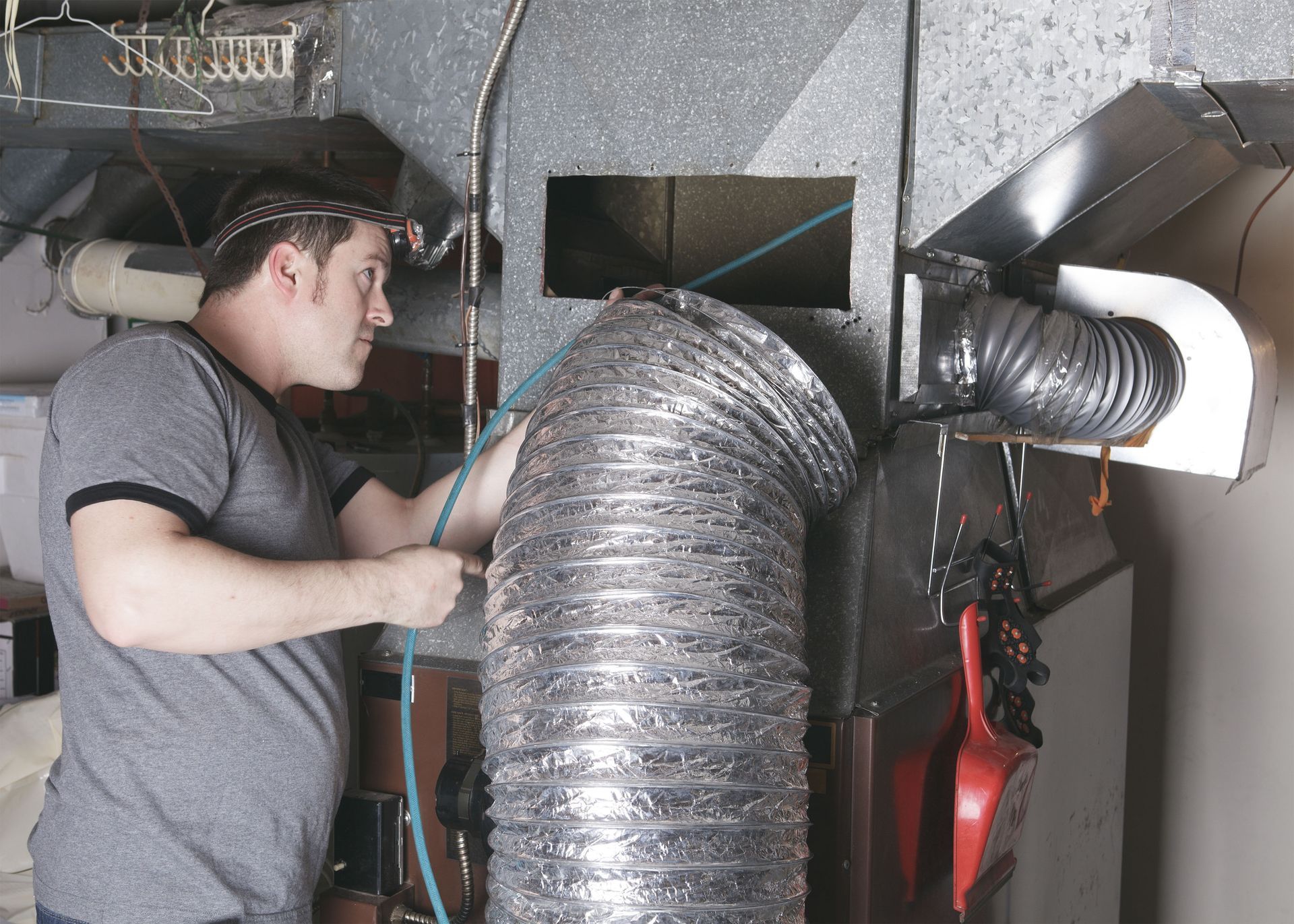
Over time, dust and allergen debris accumulate inside your ductwork, obstructing smooth airflow. Regular duct cleaning promotes a healthier home environment and keeps your system from fighting through blockages. While homeowners can handle filters, a professional inspection provides an in-depth diagnostic evaluation. Certified technicians check refrigerant levels, measure electrical draw, and inspect components to ensure long-term safety and operational peace of mind.
Myth 4: Thermostat Location Does Not Impact Performance
Factors Affecting Accuracy
Your thermostat serves as the brain of your heating and cooling system. If it is placed in an area that experiences extreme temperature fluctuations, it will read ambient conditions inaccurately. This causes the system to run unnecessarily or shut off prematurely, ruining your comfort. Common installation errors include placing the thermostat in direct sunlight, near drafty windows, or right next to heat-generating appliances like ovens and lamps.
Placement Recommendations and Upgrades
When external heat sources trick the thermostat, the system overcompensates. This leads to frequent, erratic cycling, accelerating mechanical wear and tear and driving up utility bills. For optimal performance, the thermostat should be mounted on a central, interior wall away from direct sunlight, drafts, and high-traffic pathways. It should be positioned at chest height to capture an accurate average room temperature. If your current placement is causing issues, an experienced HVAC company can easily rewire and relocate it to a better location. Upgrading to a smart thermostat can also mitigate placement limitations by utilizing remote room sensors.
Myth 5: Turning Off AC When Leaving Saves Money
Energy Use Dynamics and Humidity
It seems logical that turning your air conditioner completely off when you leave for work would save energy, but home thermodynamics tells a different story. When the AC is off for hours, your walls, furniture, and floors absorb massive amounts of heat and humidity. When you return and turn the system back on, it must work at maximum capacity for hours just to remove that deeply embedded heat.
Continuous Operation and Setting Adjustments
An un-cooled home quickly fills with humidity, which encourages mold growth and makes the indoor air feel much hotter. Instead of a complete shutdown, it is much more efficient to adjust the temperature up by 5 to 7 degrees when you are away. This prevents the home from becoming an oven, allowing the system to quickly and efficiently bring the home back to a comfortable level when you return. Utilizing a programmable thermostat allows you to automate this process seamlessly. If you aren't sure how to set this up, a local HVAC company can assist with programming.
Myth 6: All Systems are the Same
Different Types of Systems and Technology
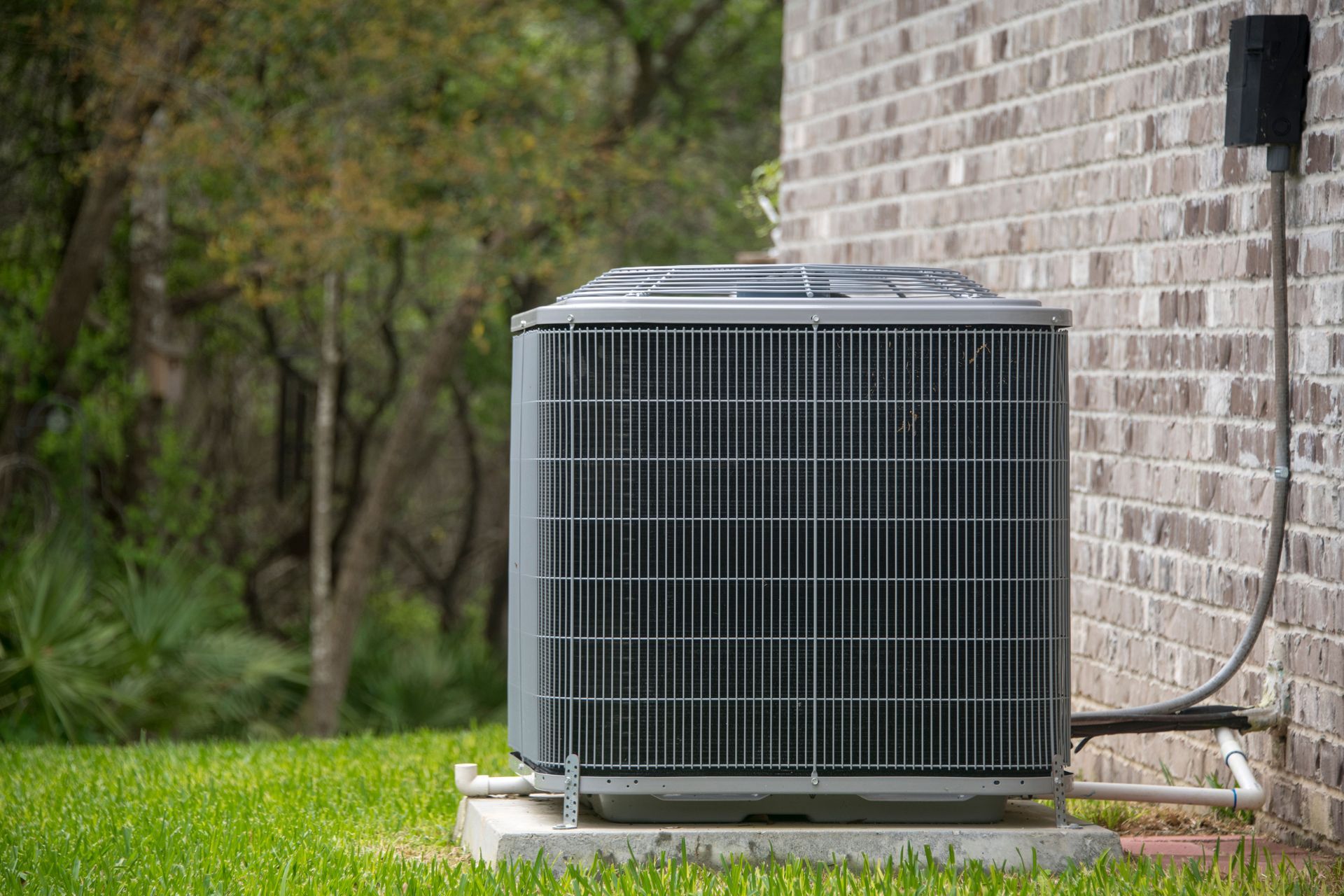
Homeowners often assume all heating and cooling units are identical boxes, but modern HVAC technology varies wildly. From traditional gas furnaces and split central air conditioners to highly advanced air-source heat pumps and ductless mini-splits, there are specialized options for every house layout and regional climate.
Importance of Professional Installations
Choosing the right system requires analyzing your home's unique layout and energy goals. A high-efficiency heat pump might be ideal for one home, while another requires a zoned furnace system. Having a reputable HVAC company guide you through selection and handle the installation guarantees that your investment operates exactly as intended.
Debunking these common heating and cooling myths is the first step toward achieving an efficient, comfortable, and affordable home environment. From proper equipment sizing to smart thermostat management, knowing the facts protects your budget and extends the lifespan of your equipment. Don't let misinformation drive up your monthly utility bills or cause premature system breakdowns.
When you need trusted, expert guidance to keep your home comfortable all year round, reach out to a professional HVAC company like O. M. N. I. HVAC. Contact O. M. N. I. HVAC today to schedule your preventative maintenance inspection or system evaluation!